Why Saving Money Every Month Is Essential
Saving money is not just about accumulating wealth — it is about creating options and security in your life. When you save consistently every month, you build a financial cushion that protects you from life's unexpected challenges and opens doors to opportunities you might otherwise miss. A robust savings habit is the single most important financial behavior you can develop—read our guide on financial habits to see how tiny changes lead to big wealth.
The challenge most people face is not understanding the importance of saving — it is figuring out how to actually do it consistently. Between rent, bills, groceries, and the countless small expenses of daily life, saving can feel impossible. But with the right strategies, anyone can save money every month, regardless of income level.
Calculate Your Savings Starting Point
Before you can improve your savings, you need to understand your current financial picture. Start by calculating your monthly net income — the amount you actually take home after taxes and deductions. Then list every monthly expense, no matter how small. Include fixed costs like rent and insurance, variable costs like groceries and gas, and discretionary spending like entertainment and dining out.
The difference between your income and your total expenses is your current savings potential. If that number is negative or very small, do not be discouraged. The strategies in this guide will help you increase that gap and direct more money toward your savings goals.
The Pay-Yourself-First Strategy
One of the most effective savings strategies is the pay-yourself-first approach. Instead of saving whatever is left over at the end of the month (which is often nothing), you treat savings as your first and most important expense. On payday, before you spend a single dollar on anything else, transfer a predetermined amount to your savings account.
This approach works because it removes the decision-making from saving. When saving is automatic, you never have to rely on willpower or motivation. You simply adjust your spending to fit what remains after savings. Most people find they do not even miss the money they save this way because they never see it in their spending account.
Start with whatever amount feels manageable — even $25 or $50 per paycheck. As you adjust to living on less, gradually increase the amount. Many people are surprised to discover they can save 15-20% of their income once they make it automatic.
Cut Your Biggest Expenses First
Housing Costs
Housing is typically the largest expense for most people, consuming 25-35% of their income. Even small reductions here can yield significant savings. Consider whether you could negotiate your rent, take on a roommate, or move to a slightly less expensive area. If you own a home, look into refinancing opportunities or reducing property tax assessments.
Transportation
Transportation is the second-largest expense for many households. Evaluate whether you truly need the car payment you have, or if a less expensive vehicle would serve you just as well. Consider carpooling, using public transit for commuting, or biking for short trips. Even reducing one car in a two-car household can save thousands annually.
Food and Groceries
The average household spends a significant portion of their budget on food. Meal planning is one of the most effective ways to reduce food costs. Plan your meals for the week, create a shopping list, and stick to it. Cooking at home instead of dining out can save hundreds of dollars each month. Buying in bulk, choosing store brands, and shopping seasonal produce also helps.
Eliminate Wasteful Spending
Most people have money leaks — recurring expenses they are barely aware of that drain their finances month after month. Common examples include:
- Unused subscriptions: Review every subscription service you pay for. Cancel anything you have not used in the past month.
- Premium services you do not need: Do you really need the premium tier of every streaming service? Could you switch to a cheaper phone plan?
- Impulse purchases: Implement a 48-hour rule — wait 48 hours before making any non-essential purchase. You will find that most impulses pass.
- Bank fees: Switch to a bank that does not charge monthly maintenance fees, ATM fees, or minimum balance penalties.
- Energy waste: Simple changes like adjusting your thermostat, using LED bulbs, and unplugging electronics can reduce utility bills noticeably.
Use the 50/30/20 Framework
The 50/30/20 budget framework provides a simple structure for balancing spending and saving. Allocate 50% of your after-tax income to needs vs wants (housing, food, transportation, insurance), 30% to wants (entertainment, dining out, hobbies), and 20% to savings and debt repayment.
If saving 20% feels like a stretch right now, start where you can and work your way up. The goal is progress, not perfection. Even moving from saving 5% to saving 10% represents a doubling of your savings rate and can dramatically improve your financial trajectory over time.
Build Multiple Savings Goals
Saving becomes more motivating when you have specific goals. Instead of dumping everything into one generic savings account, create separate savings buckets for different purposes. Many online banks allow you to create multiple savings accounts or sub-accounts at no cost.
Consider creating separate funds for your emergency fund, vacation savings, large purchases (like a new computer or furniture), holiday gifts, and any other specific goals. When you can see your progress toward a specific goal, you are more motivated to keep saving.
Reduce Bills with Simple Negotiation
Many of your monthly bills are negotiable, but most people never try. Call your insurance providers and ask for lower rates or better discounts. Contact your internet and phone providers to negotiate better plans—read our bill reduction guide for more tips on lowering expenses. Review your credit card terms and request lower interest rates. Companies would rather keep you as a customer at a lower rate than lose you entirely.
You can also save on regular expenses by using cashback apps, shopping during sales, buying generic brands, and taking advantage of loyalty programs. These small savings add up to hundreds or even thousands of dollars per year.
Track Your Progress and Celebrate Milestones
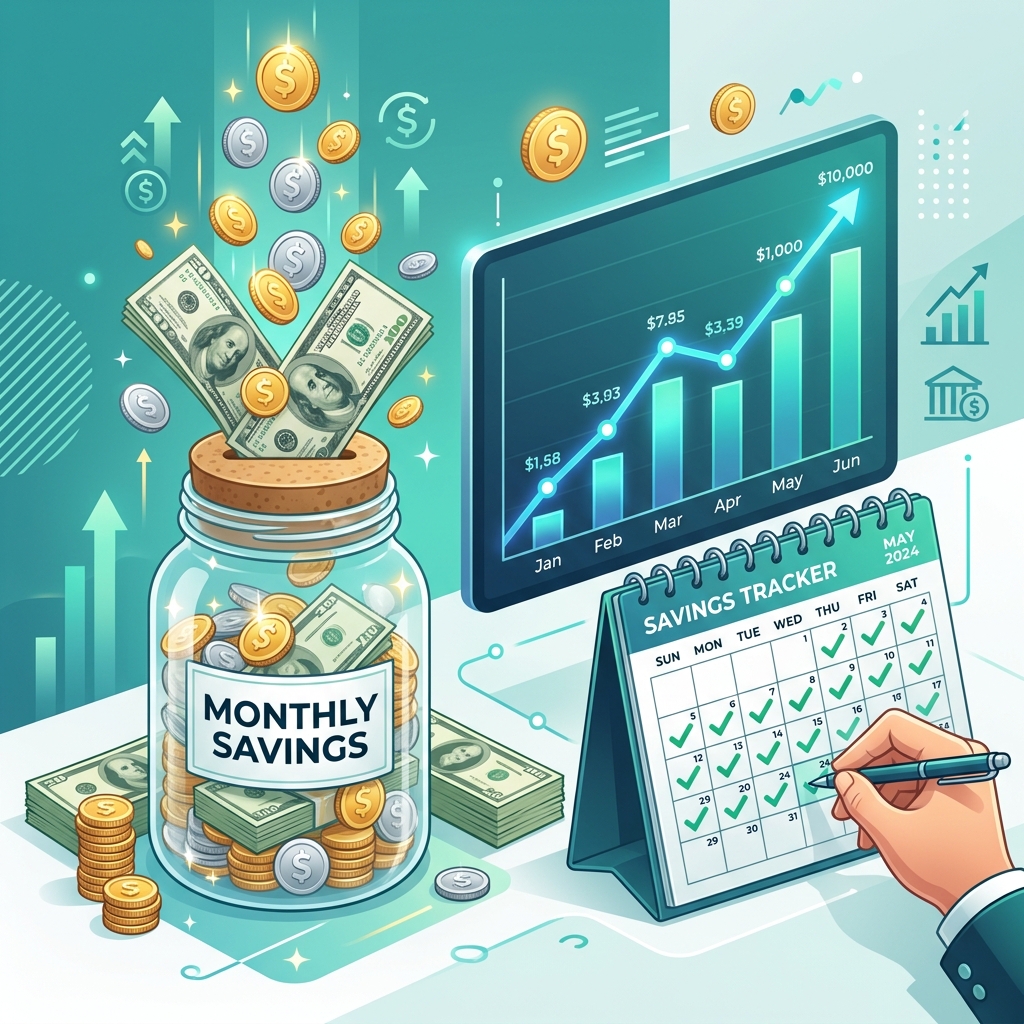
What gets measured gets managed. Track your savings progress monthly and celebrate meaningful milestones. When you reach your first $500 in savings, your first $1,000, or your first fully-funded emergency fund, acknowledge that accomplishment. Celebrating progress reinforces positive financial behavior and keeps you motivated for the long haul.
Consider using a simple spreadsheet, a budgeting app, or even a visual savings tracker posted on your refrigerator. The method does not matter — what matters is that you can see your progress over time.
The Compound Effect of Consistent Saving
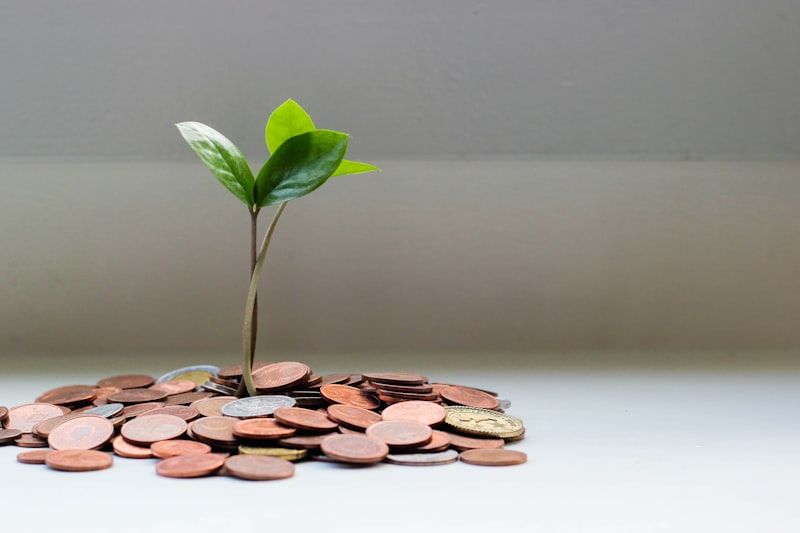
The real power of saving money every month comes from consistency. Small amounts saved regularly grow into substantial sums over time. Saving just $200 per month for 30 years results in $72,000 in pure savings — and significantly more if that money earns any return at all. This is the compound effect in action: small, consistent actions create extraordinary results over time.
Do not underestimate the power of starting small. The habit of saving is more important than the amount. Once the habit is established, increasing the amount becomes natural and even enjoyable as you watch your financial security grow.
Start Saving Today
The best time to start saving money was years ago. The second-best time is right now. Choose one strategy from this guide, implement it today, and build from there. Open a dedicated savings account, set up your first automatic transfer, cancel one unused subscription, or plan your meals for the week. Every small step moves you closer to financial security and freedom.