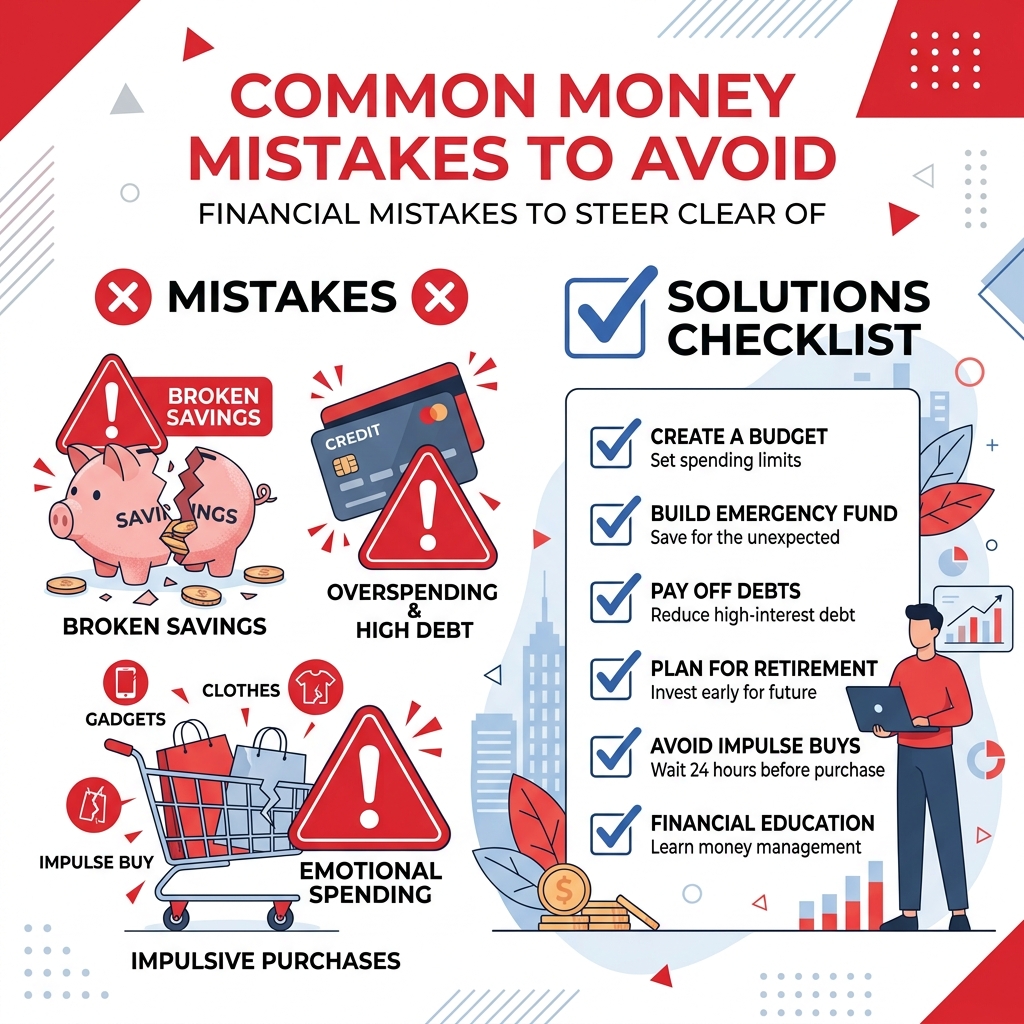
What Is an Emergency Fund?
An emergency fund is a dedicated savings reserve set aside specifically for unexpected expenses or financial emergencies. It is money you do not touch for regular spending — it exists solely to protect you when life throws you a curveball. Think of it as a financial shock absorber that prevents unexpected events from derailing your entire financial life.
An emergency fund is not the same as regular savings. Regular savings might be earmarked for a vacation, a new car, or a home down payment. An emergency fund is exclusively for true emergencies: unexpected medical bills, urgent car repairs, sudden job loss, emergency home repairs, or other unforeseen financial needs.
Why an Emergency Fund Is Non-Negotiable
Life is unpredictable. No matter how carefully you plan, unexpected expenses will arise. According to financial research, the average person experiences a significant unexpected expense every few months. Without an emergency fund, these expenses force people into high-interest debt, payday loans, or borrowing from friends and family — all of which create additional financial stress and long-term damage.
An emergency fund provides financial security. Knowing you have money set aside for emergencies reduces anxiety and allows you to handle challenges calmly rather than in panic mode. It provides decision-making freedom — when you are not desperate for money, you can make better choices about how to handle problems. And it provides debt prevention — the number one reason people go into credit card debt is unexpected expenses they have no savings to cover.
How Much Should You Save?
The standard recommendation is to save three to six months of essential living expenses. To calculate this, add up your monthly needs: rent or mortgage, utilities, groceries, insurance, minimum debt payments, transportation, and any other necessary expenses. Multiply by three for a minimum emergency fund or by six for a more robust one.
However, do not let the final number intimidate you into not starting. If three to six months feels overwhelming, start with a smaller target:
- Starter goal: $500 — Enough to cover a minor car repair or medical co-pay
- First milestone: $1,000 — Covers most common emergencies without going into debt
- Second milestone: One month of expenses — Provides meaningful protection against larger emergencies
- Full emergency fund: 3-6 months of expenses — Complete financial security against most unexpected events
Where to Keep Your Emergency Fund
Your emergency fund should be accessible but separate. Keep it in a high-yield savings account at a different bank than your primary checking account. This creates enough separation that you will not be tempted to dip into it for non-emergencies, while still allowing you to access the money within one to two business days when a true emergency occurs.
Do not keep your emergency fund in a checking account (too easy to spend), under your mattress (earns nothing and is not safe), or in any type of account that could lose value or restrict access. The purpose of an emergency fund is safety and accessibility, not growth.
How to Build Your Emergency Fund from Zero
Start with Automation
Set up an automatic transfer from your checking account to your emergency fund savings account. Even $25 per week adds up to $1,300 per year. Make the transfer happen on payday so you never see the money in your spending account.
Redirect Found Money
Direct any unexpected money toward your emergency fund until it is fully funded. Tax refunds, rebates, cash gifts, bonuses, and income from selling unused items can all accelerate your emergency fund growth.
Cut One Expense Temporarily
Identify one discretionary expense you can temporarily eliminate and redirect that money to your emergency fund. Cancel a streaming service, reduce dining out, or pause a hobby expense for a few months. Frame it as a temporary sacrifice for permanent security.
Use Income Windfalls Wisely
When you receive extra income — a bonus, overtime pay, a side gig payment — commit to putting at least half of it into your emergency fund. This accelerates your progress without requiring ongoing lifestyle changes.
What Counts as an Emergency?
To protect your emergency fund, establish clear rules about what constitutes a true emergency. Emergencies include: unexpected medical expenses, essential car repairs, urgent home repairs (like a broken furnace in winter), sudden job loss, and emergency travel for family situations.
Non-emergencies include: a sale on something you want, a vacation opportunity, holiday shopping, routine car maintenance (budget for this separately), and anything you could reasonably have anticipated and planned for.
Replenishing Your Emergency Fund
When you use money from your emergency fund (and eventually you will — that is what it is for), make replenishing it a top priority. Adjust your budget to direct extra money toward rebuilding the fund. Treat it with the same urgency you felt when building it initially. A depleted emergency fund leaves you vulnerable to the next unexpected expense.
The Peace of Mind Factor
Beyond the practical financial benefits, an emergency fund provides something that is hard to quantify but immensely valuable: peace of mind—read our money management guide for more wealth-building tips. When you know you can handle a financial emergency without going into debt, you sleep better, stress less, and make better decisions across all areas of your life.
Start building your emergency fund today. Open a separate savings account and begin the journey toward financial security—read our guide on effective saving to accelerate your progress.