The Fundamental Difference Between Needs and Wants
At its core, the difference between needs and wants is simple: needs are things you must have to survive and function, while wants are things you would like to have but can live without. However, in practice, the line between needs and wants is often blurry, and learning to distinguish between them is one of the most important financial skills you can develop.
Needs include the basics required for survival and daily functioning: shelter, food, clothing, healthcare, basic transportation to get to work, and utilities. These are non-negotiable expenses that you must cover regardless of your financial situation.
Wants are everything else — the things that make life more enjoyable but are not essential for survival. Dining at restaurants, entertainment subscriptions, the latest smartphone, designer clothing, vacations, and hobby expenses are all wants. They add quality to life but are not required for basic functioning.
Why the Distinction Matters for Your Finances
Understanding the difference between needs and wants is crucial because it forms the foundation of every budgeting decision you make. When money is tight, needs must be covered first. When you have surplus income, understanding wants helps you spend intentionally on things that truly add value to your life rather than mindlessly consuming.
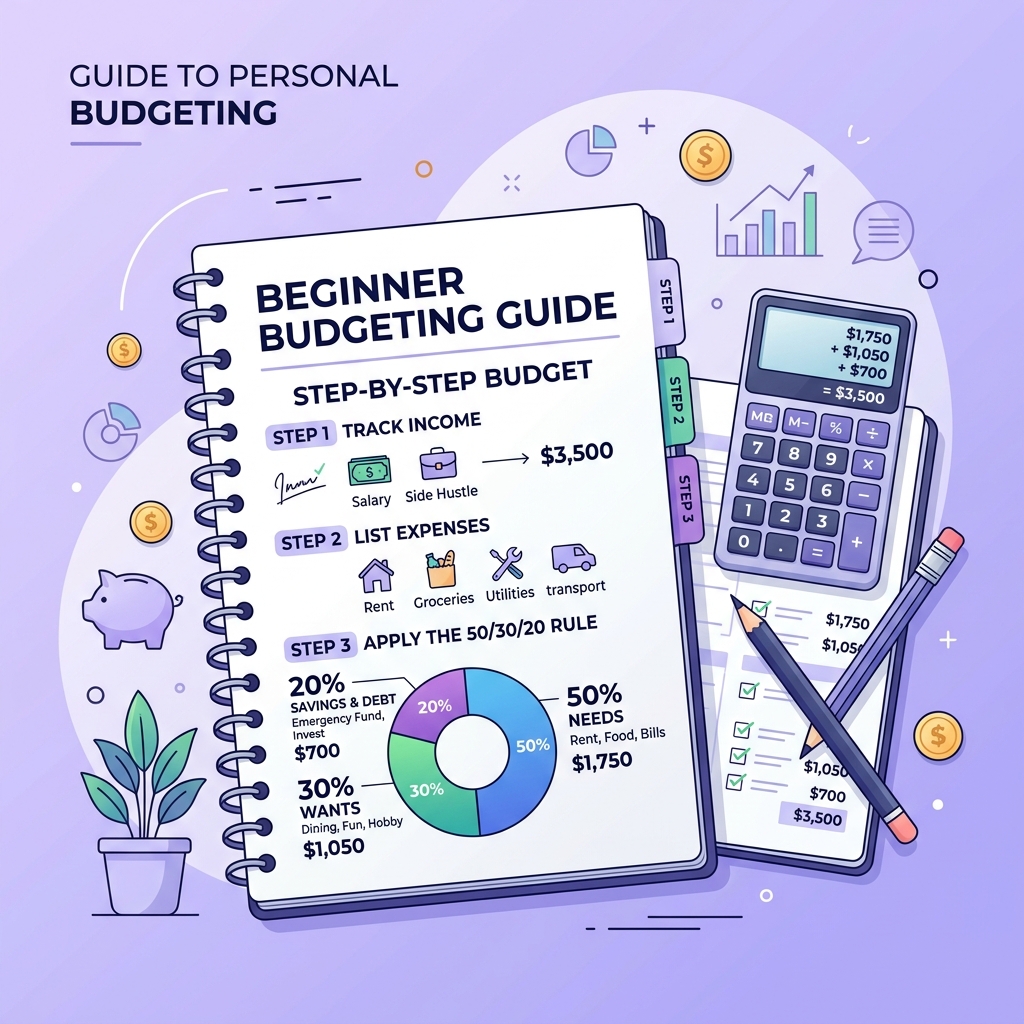
The 50/30/20 budgeting rule is built entirely on this distinction: 50% of income for needs, 30% for wants, and 20% for savings. If you cannot clearly identify which expenses are needs and which are wants, you cannot effectively use any budgeting framework—read our income vs expenses guide for clear financial tracking.
The Gray Areas: When Needs and Wants Overlap
The tricky part is that needs and wants are not always black and white. You need food, but you do not need organic artisan bread from a specialty bakery. You need transportation, but you do not need a luxury car. You need clothing, but you do not need designer labels. The need is real, but the level at which you fulfill it often includes a significant want component.
A helpful way to think about this is to separate the category (need) from the level (want). You need a phone to communicate and work — that is a need. But the latest flagship model at $1,200 includes a large want component when a $200 phone would fulfill the actual need. The gap between the minimum that satisfies the need and what you actually choose to spend represents the want.
How to Evaluate Your Spending
Go through your monthly expenses and label each one as a need, a want, or a mix. For mixed items, estimate how much of the cost is the need portion and how much is the want portion. This exercise often reveals that many expenses you considered needs actually contain significant want components.
Ask yourself these questions about each expense:
- Can I survive without this? If yes, it is a want.
- Is there a significantly cheaper alternative that would meet my basic need? If yes, the premium you pay is a want.
- Am I spending this because I need to or because I want to? Be honest with yourself.
- If I lost my income tomorrow, would I still pay for this? The expenses you would keep are your true needs.
Common Expenses That Are Often Misclassified
Cable TV and Streaming Services
Entertainment is a want, not a need. While relaxation and mental health are important, there are free or very low-cost alternatives to expensive cable packages and multiple streaming subscriptions.
Dining Out
Food is a need, but restaurant meals are a want. Cooking at home satisfies the nutritional need at a fraction of the cost. Dining out is a lifestyle choice, not a necessity.
New Cars
Transportation may be a need depending on where you live, but a new car is almost always a want. Reliable used vehicles fulfill the transportation need at significantly lower cost.
Gym Memberships
Physical health is a need, but a premium gym membership is a want. Walking, running, bodyweight exercises, and home workouts can maintain your health without monthly fees.
Using the Needs vs Wants Framework for Better Decisions
This framework is not about eliminating all wants from your life. Wants make life enjoyable and worth living. The goal is to be intentional about which wants you choose to spend on. When you consciously choose your wants rather than spending mindlessly, you get more satisfaction from less spending.
Prioritize the wants that bring you the most genuine happiness and cut those that provide little lasting satisfaction. You might discover that experiences (travel, time with friends, learning new skills) bring more happiness than material purchases. Or you might find that a particular hobby brings you immense joy while other spending categories do nothing for your well-being.
Teaching Needs vs Wants to Your Family
If you have children, teaching them the difference between needs and wants is one of the most valuable financial lessons you can provide. Use everyday situations as teaching moments: at the grocery store, distinguish between needed food items and wanted treats—read our money management guide for more family finance tips.
Children who learn this distinction early develop stronger financial decision-making skills as adults. They understand that money is a limited resource that must be allocated thoughtfully, and they are better equipped to resist impulse spending and advertising pressure.
Applying This Knowledge Today
Take 15 minutes today to review your last month's expenses. Mark each one as a need, a want, or a mix. Calculate the total amount you spent on pure wants. Are you comfortable with that number? Does your want spending align with your values and goals? If not, identify one or two want categories you could reduce next month and redirect that money toward your savings or financial goals.
Remember, the goal is not perfection or deprivation. It is awareness and intentionality. When you understand the difference between needs and wants, every spending decision becomes clearer, and your money works harder for the things that truly matter to you.