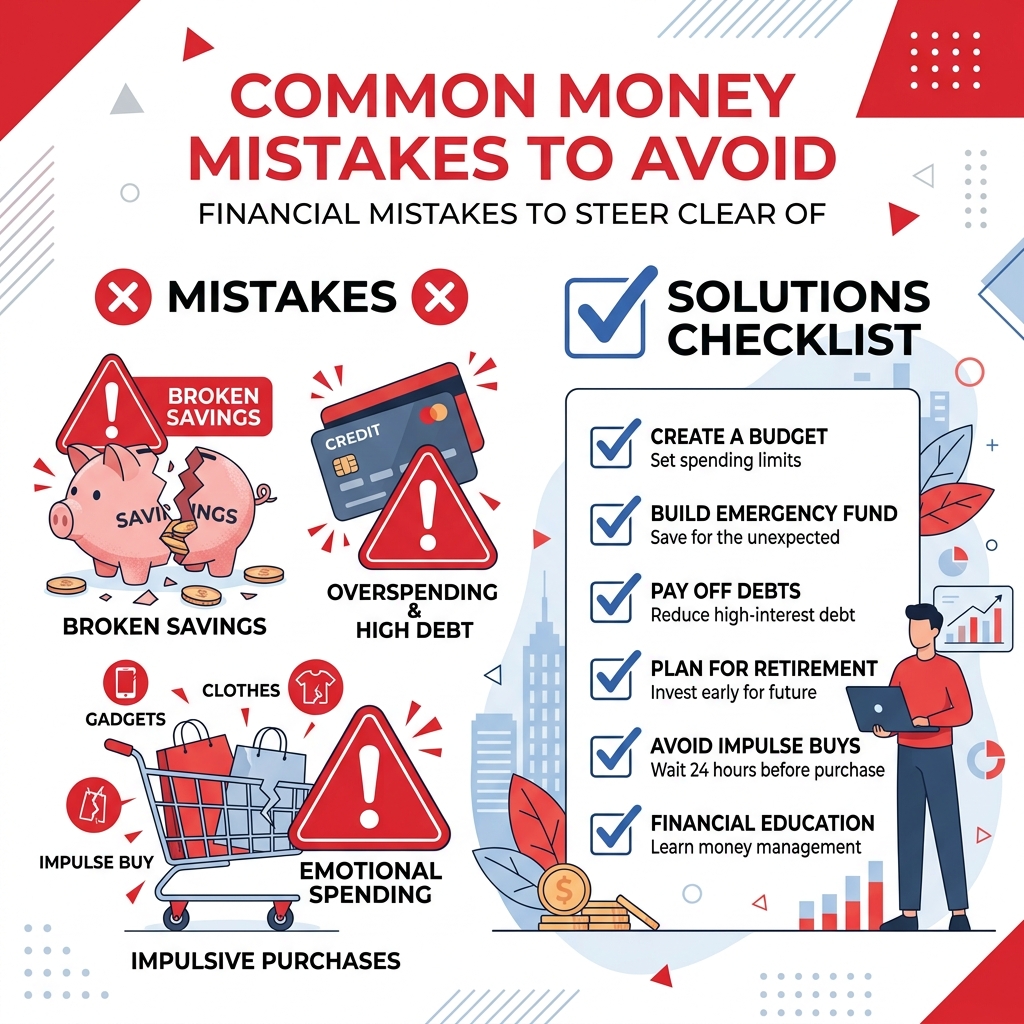
Understanding Why You Overspend
Overspending is rarely about a lack of willpower. It is usually the result of specific triggers, habits, and environmental factors that you can identify and address. Understanding why you spend impulsively is the critical first step—read our needs vs wants guide to identify your spending priorities.
Common overspending triggers include emotional spending (shopping to cope with stress, boredom, sadness, or even celebration), social pressure (keeping up with friends or social media lifestyles), convenience spending (choosing quick, expensive options over planned, affordable alternatives), and lack of awareness (not tracking spending, so you do not realize how much you are spending).
The Psychology of Overspending
Our brains are wired for immediate gratification. When you see something you want, your brain releases dopamine — a feel-good chemical that motivates you to acquire it. This neurological response served our ancestors well but works against us in a modern world designed to trigger spending at every turn.
Marketers understand this psychology intimately. Limited-time offers create urgency. "Only 3 left" triggers scarcity fear. One-click purchasing removes friction. Buy-now-pay-later makes costs feel smaller. Understanding these psychological tactics helps you recognize when you are being manipulated into spending.
Strategy 1: The 48-Hour Rule
For any non-essential purchase over a set threshold (start with $25-50), wait 48 hours before buying. Write down the item, the price, and the date. If after 48 hours you still genuinely want and can afford it, buy it guilt-free. You will find that the majority of impulse purchases lose their appeal during the waiting period.
For larger purchases ($200+), extend the waiting period to a week or even 30 days. This cooling-off period separates genuine desires from impulsive wants and gives you time to research whether the purchase truly fits your budget and values.
Strategy 2: Use Cash for Problem Categories
If you consistently overspend in certain categories — dining out, entertainment, clothing — switch to cash for those categories. At the beginning of the month, withdraw the budgeted amount in cash and put it in labeled envelopes. When the envelope is empty, you stop spending in that category until next month.
Cash creates a physical, tangible connection to spending that cards and digital payments do not. Handing over bills literally feels different than tapping a card. This friction is intentional and powerful — it forces you to pause and consider each purchase in a way that frictionless digital payments do not.
Strategy 3: Remove Temptation
The easiest spending to control is spending that never happens. Reduce your exposure to spending triggers by unsubscribing from marketing emails, unfollowing brands and influencers on social media, removing saved credit card information from online stores, and avoiding recreational shopping (browsing stores or online shops for entertainment).
Delete shopping apps from your phone. If you need to buy something online, make yourself go through the process of typing in the website, searching for the item, and entering your payment information manually. Each point of friction gives you another opportunity to reconsider.
Strategy 4: Track Every Purchase
Start recording every single purchase, no matter how small. Use a small notebook, a notes app, or a dedicated budgeting app. The act of recording purchases creates immediate awareness and accountability. When you know you will have to write down that $4 vending machine purchase, you think twice about making it.
Review your tracking log weekly. Look for patterns: when do you overspend? Where? What were the triggers? This data is invaluable for understanding your spending behavior and making targeted changes.
Strategy 5: Replace Spending with Free Alternatives
Many spending habits can be replaced with free or low-cost alternatives that provide similar satisfaction. Instead of dining out, host potluck dinners with friends. Instead of shopping for entertainment, explore free community events, parks, libraries, or outdoor activities. Instead of buying books, use the library. Instead of a gym membership, exercise outdoors or follow free workout videos.
The goal is not to eliminate all enjoyment from your life — it is to find enjoyment in activities that do not drain your bank account. Many people discover that their most fulfilling experiences are free or very low cost.
Strategy 6: Create Positive Financial Rewards
Discipline should not be all sacrifice and no reward. Create a system where meeting your financial goals triggers positive rewards. When you stick to your budget for a full month, treat yourself to something small but enjoyable. When you reach a savings milestone, celebrate in a meaningful but affordable way.
The key is that rewards should be planned, budgeted, and proportional. A $20 treat after a month of disciplined spending reinforces good behavior. A $500 splurge undermines the progress you just made. Choose rewards that celebrate your discipline without undoing it.
Strategy 7: Build Financial Accountability
Share your financial goals with a trusted friend, family member, or partner. Regular accountability check-ins dramatically increase your chances of success. When you know someone will ask about your progress, you are more motivated to stay on track.
Consider finding a financial accountability partner — someone working toward similar goals. Check in weekly to discuss wins, challenges, and strategies. This mutual support system provides encouragement during difficult moments and celebrates successes.
Building Long-Term Financial Discipline
Discipline is not something you either have or do not have — it is a skill you build over time. Start with small, manageable commitments and gradually increase the challenge. Successfully sticking to a small budget in one category builds confidence that extends to other categories. Small wins create momentum for bigger victories.
Be patient with yourself. Changing spending habits takes time. You will have setbacks — a month where you overspend, an impulse purchase you regret, a moment of weakness. These are not failures; they are part of the learning process. What matters is your overall trajectory, not any single month's performance.
Every day you practice financial discipline, you strengthen the habit. Over months and years, what once required conscious effort becomes automatic. The person who once struggled to stay within budget becomes the person who naturally makes smart decisions—read our financial habits guide to build long-term wealth.