Why Habits Matter More Than Income
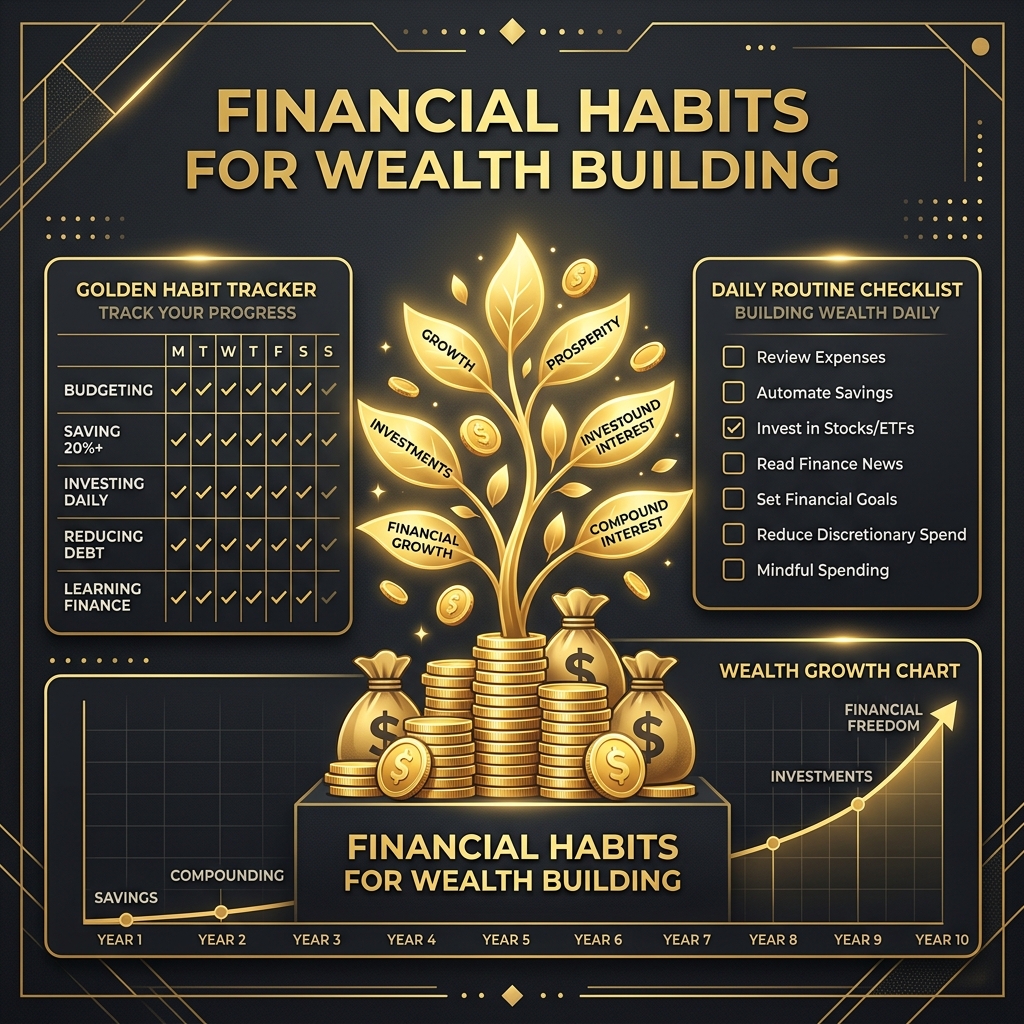
Building wealth is not about earning a massive salary or getting lucky with a windfall. It is about the small, consistent actions you take every single day with your money. Financial habits are the building blocks of wealth — they compound over time just like interest, turning tiny daily decisions into life-changing results—read our guide on financial habits for foundational knowledge.
Research consistently shows that most self-made wealthy individuals built their wealth through disciplined habits rather than extraordinary income. They saved consistently, spent intentionally, avoided unnecessary debt, and made thoughtful financial decisions as a matter of routine. These are habits anyone can develop, regardless of their current income level.
Habit 1: Pay Yourself First
The most powerful wealth-building habit is treating savings as a non-negotiable expense that gets paid before anything else. When you pay yourself first, you prioritize your financial future over current consumption. Set up automatic transfers to your savings account on payday — before bills, before groceries, before entertainment.
Start with whatever percentage of income you can manage — even 5% — and increase it by 1% every few months. Over time, you will be saving 15-20% of your income without feeling deprived because the adjustment was gradual. This single habit, maintained consistently, is responsible for more wealth creation than any other strategy—read our monthly savings guide for more effective techniques.
Habit 2: Live Below Your Means
Living below your means is the fundamental wealth-building habit. It means spending less than you earn — not just by a little, but by a meaningful margin. This creates surplus cash that can be directed toward savings, debt elimination, and wealth building.
Living below your means does not mean living in deprivation. It means being intentional about where your money goes. It means choosing a reliable used car over a flashy new one, cooking at home instead of dining out every night, and finding satisfaction in experiences rather than expensive possessions. Wealthy people often live surprisingly modest lifestyles — not because they cannot afford more, but because they understand that true wealth comes from the gap between earning and spending.
Habit 3: Track Every Dollar
You cannot manage what you do not measure. People who track their spending consistently save significantly more than those who do not. Tracking creates awareness — and awareness naturally leads to better decisions.
Keep a daily spending log, use a budgeting app, or review your bank transactions weekly. The method does not matter as much as the consistency. When you know that every purchase will be recorded and reviewed, you think twice before making impulse buys. This simple habit of awareness can reduce wasteful spending by 10-20% without any other changes.
Habit 4: Avoid Lifestyle Inflation
Lifestyle inflation is the tendency to increase spending as income increases. You get a raise, so you upgrade your car. You receive a bonus, so you splurge on a vacation. Before you know it, you are earning significantly more but saving the same amount (or less) than before.
Wealthy people resist lifestyle inflation by maintaining their spending levels even as their income grows. When they receive a raise, they direct most or all of the increase toward savings and wealth building. This creates an ever-widening gap between income and expenses — the primary driver of wealth accumulation.
A practical approach is the 50% rule: when you receive a raise or bonus, commit to saving at least 50% of the increase. You still get to enjoy some of the additional income, but you are also accelerating your wealth building with every pay increase.
Habit 5: Eliminate High-Interest Debt
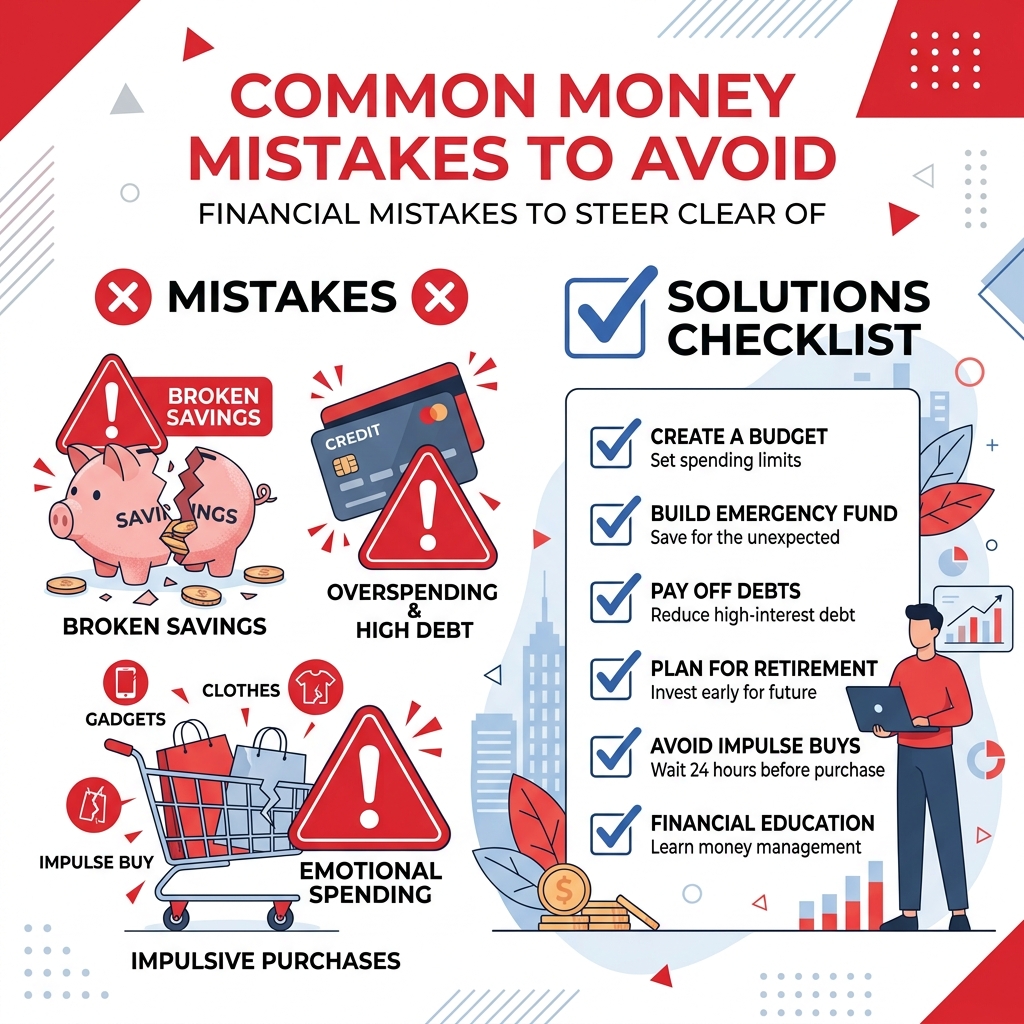
High-interest debt — particularly credit card debt — is one of the biggest obstacles to building wealth. When you carry a balance at 18-25% interest, you are effectively paying a wealth tax on your past spending. Every dollar that goes to interest payments is a dollar that could have been building your future.
Make eliminating high-interest debt a top priority. Use either the debt avalanche method (highest interest first) or the debt snowball method (smallest balance first) to systematically pay off your debts. Once you are debt-free, redirect those former debt payments toward savings and wealth building.
Habit 6: Set Clear Financial Goals
People who set specific financial goals save more and build wealth faster than those who do not. Goals give your money purpose and your efforts direction. Without goals, saving feels pointless and spending feels harmless — a dangerous combination.
Set goals at multiple time horizons: short-term (3-6 months), medium-term (1-5 years), and long-term (5+ years). Make them specific and measurable — not "save more money" but "save $5,000 for an emergency fund by December." Write them down, review them regularly, and track your progress.
Habit 7: Continuously Learn About Money
Financial education is an ongoing process, not a one-time event. The most financially successful people make a habit of learning about money management, personal finance strategies, and economic trends. They read books, follow trusted financial education sources, and stay informed about changes that could affect their finances.
Commit to reading at least one personal finance article or book chapter per week. Over time, this habit builds a deep understanding of money that informs better decisions across every area of your financial life. Knowledge compounds just like interest — the more you learn, the better your financial decisions become.
Habit 8: Review Your Finances Regularly
Schedule a regular financial review — weekly for spending tracking and monthly for a comprehensive overview. During your monthly review, examine your budget adherence, progress toward goals, changes in income or expenses, and any adjustments needed for the coming month.
This habit prevents small problems from becoming big ones. A monthly review might reveal that your utility bills have been creeping up, that a subscription price increased without your notice, or that you have been gradually spending more in a particular category. Early detection allows easy correction.
Habit 9: Delay Gratification
The ability to delay gratification — to choose a larger future reward over a smaller immediate one — is strongly correlated with financial success. This does not mean never enjoying your money. It means making conscious decisions about when to spend and when to wait.
Practice the 48-hour rule for non-essential purchases: wait 48 hours before buying anything you did not plan for. For larger purchases, extend the waiting period to 30 days. You will find that many "must-have" items become "nice-to-have" or "do not need" items with the passage of time.
Building These Habits: Start Small
Do not try to adopt all of these habits at once. Choose one or two that resonate with you and focus on making them automatic over the next 30 days. Once those habits feel natural, add another. Over the course of a year, you can transform your financial behavior completely.
Remember, the goal is not perfection — it is progress. Every positive financial habit you build, no matter how small, moves you closer to financial security and freedom. The compound effect of good habits is powerful and relentless. Start today, stay consistent, and watch your financial life transform.