Why Tracking Daily Expenses Changes Everything
Most people have no idea where their money actually goes. They know their big expenses — rent, car payment, utilities — but the daily flow of small purchases remains a mystery. A coffee here, a snack there, an impulse buy at the store — these small, untracked expenses often add up to hundreds or even thousands of dollars each month.
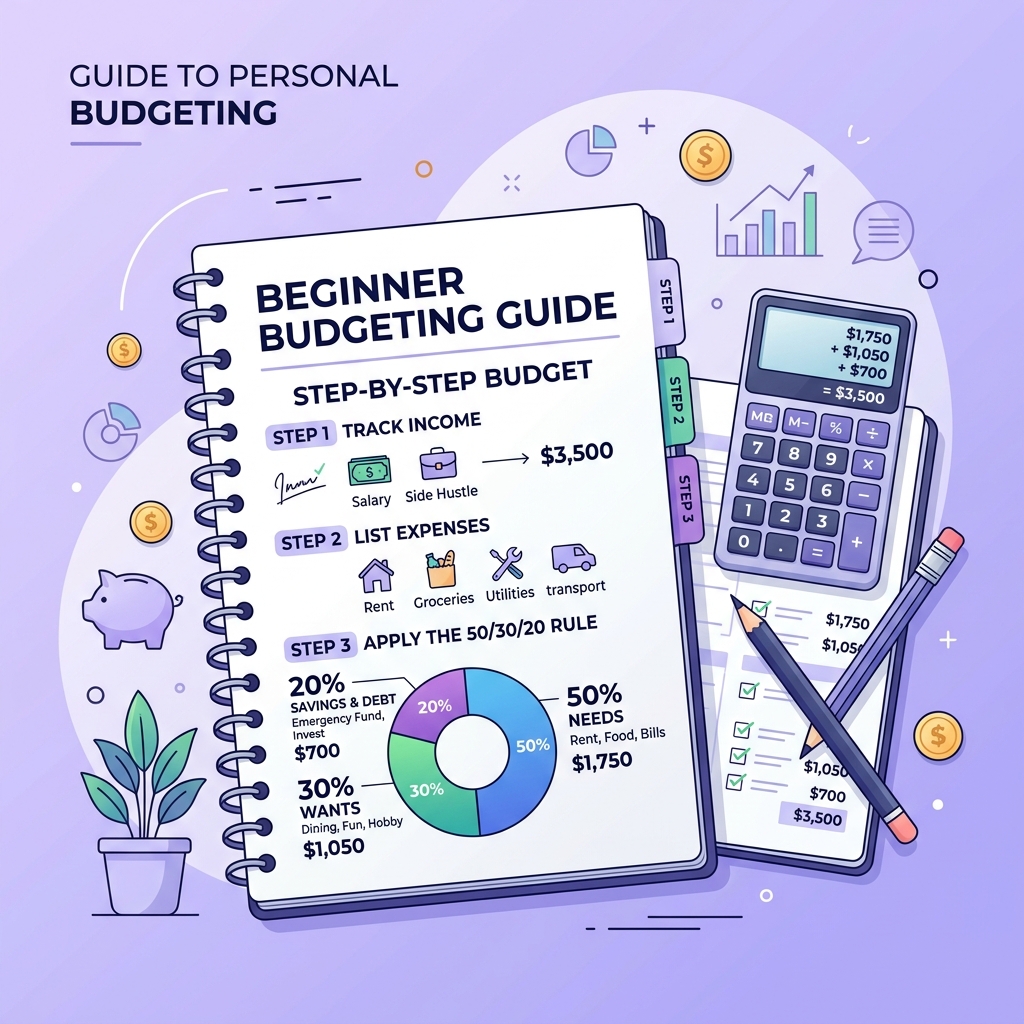
Tracking your daily expenses shines a light on your actual spending habits. It transforms vague feelings about money into concrete data. This awareness is powerful because it puts you in a position to make informed decisions rather than guessing—read our beginner guide to budgeting to get started with your first plan.
Method 1: The Notebook Method
The simplest tracking method requires nothing more than a small notebook and a pen. Carry it with you everywhere and write down every purchase as it happens. Include the date, amount, what you bought, and how you paid (cash, card, digital). At the end of each week, add up your spending by category.
The notebook method works well for people who prefer analog tools and find that the physical act of writing creates stronger awareness. The downside is that it requires discipline to record every purchase in the moment, and totaling categories manually takes time.
Method 2: The Phone Notes Method
If you always have your phone with you (and most people do), use a simple notes app to track expenses. Create a new note for each week or month. Every time you make a purchase, open the note and record the amount and category. This takes about five seconds per transaction.
At the end of each week, review your note and categorize your spending. You can use a simple format like: "$4.50 coffee, $65 groceries, $12 lunch" — just enough detail to categorize later. The advantage of this method is that your tracking tool is always in your pocket.
Method 3: The Spreadsheet Method
For people who enjoy data and want more analytical power, a spreadsheet provides the most flexibility. Create a simple spreadsheet with columns for date, description, amount, category, and payment method. Enter your expenses daily or compile them weekly from your bank statements.
Spreadsheets allow you to create automatic totals by category, track spending trends over time, create charts and graphs, and compare months side by side. If you enjoy working with data, this method provides rich insights into your spending patterns.
Method 4: The Receipt Collection Method
If you struggle to record expenses in the moment, try collecting receipts instead. Keep a small envelope or designated pocket in your wallet for receipts. Every evening, go through the day's receipts and record them in your tracking system of choice. For purchases without receipts (like vending machines or cash transactions), make a note on your phone immediately.
How to Categorize Your Expenses
Effective tracking requires consistent categories. Keep your category list simple — too many categories make tracking burdensome, while too few provide insufficient detail. A good starting list includes: housing, transportation, groceries, dining out, utilities, entertainment, personal care, health, clothing, and miscellaneous.
Stick with the same categories consistently so you can compare spending month over month. Over time, you might add or refine categories based on your specific spending patterns. The goal is categories that are meaningful and actionable for your financial situation.
Building the Tracking Habit
The biggest challenge with expense tracking is making it a consistent habit. Here are strategies that help: set a daily reminder on your phone to review and record expenses, attach tracking to an existing habit (record expenses while having your morning coffee), keep your tracking method as simple as possible (complexity kills consistency), and give yourself grace during the first few weeks as you build the routine.
If you miss a day, do not give up — just catch up using your bank statement or memory. Imperfect tracking is infinitely more valuable than no tracking at all. Even capturing 80% of your expenses gives you dramatically more financial awareness than capturing none.
What Your Tracking Data Reveals
After one month of consistent tracking, review your data holistically. Look for spending patterns, surprises, and opportunities. Common revelations include: spending far more on dining out than expected, numerous small subscriptions that add up significantly, impulse purchases that provide little lasting satisfaction, and categories where you spend less than you assumed.
Use these insights to inform your budget and spending decisions. If you discover you are spending $200 per month on coffee shops, you can decide whether that spending aligns with your values — and if not, redirect it toward something more meaningful.
From Tracking to Transformation
Expense tracking is not the end goal — it is the foundation for financial transformation. The data you collect enables better budgeting, smarter spending decisions, and faster progress toward your goals. Combined with a structured plan, it is a game-changer—read our monthly budget planning guide for a practical approach.
Start today. Pick the method that feels easiest and begin recording every purchase. Give yourself 30 days to build the habit and gather data. At the end of that month, you will have a clear, accurate picture of your spending — and the power to change it for the better.